
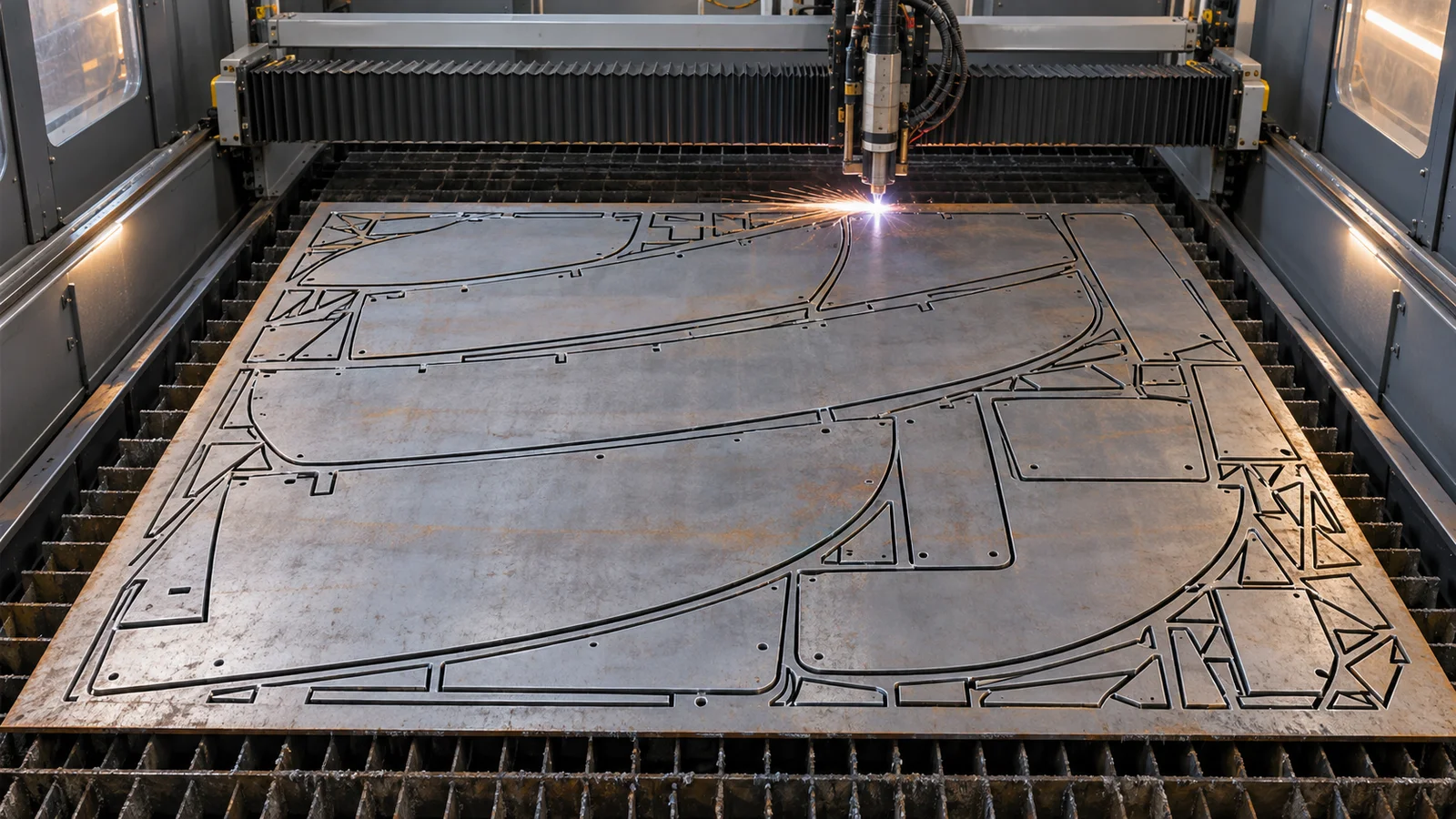
AI-generated editorial illustration.
How to Reduce Material Waste Through Better Hull Design is a commercial problem, not just a definition. Waste comes from nesting gaps, non-standard plate dimensions, late cut-outs, excessive corrosion allowances and design changes after material is ordered. The best saving is made before the nesting file reaches the cutting table.
For the business buyer
Newbuild owners and production engineers need a clear decision path: define the asset and operating consequence, identify the information missing from the request, and measure the effect on cost, schedule, safety and compliance. Sea Keepers reviews hull form, structural layout, material availability and nesting constraints together, then issues production-ready data for the yard.
For technical experts
Record the approved drawing or equipment reference, revision, material or performance requirement, inspection point, certificate and acceptance criterion. Keep the technical decision with the responsible naval architect, chief engineer, class or flag authority where applicable. Do not substitute a grade, model or certificate on a name match alone.
Comparison before purchase or fabrication
Optimising for minimum steel weight can increase fabrication complexity; optimising for standard stock and clean assembly can lower total cost even if the calculated weight is slightly higher.
Sea Keepers engineering and procurement response
Sea Keepers reviews hull form, structural layout, material availability and nesting constraints together, then issues production-ready data for the yard. The team can review the specification, prepare an RFQ, coordinate suppliers, check documentation and connect the decision to naval architecture, structural engineering, production CAD, shipbuilding, repair or marine equipment supply.
Discuss your marine procurement or engineering projectWant the full specification pack or a delivery quotation?
Enquire about the ferry