Introduction to Small Craft Intrusion
Small Craft Intrusion refers to unauthorized entry or approach of small boats, personal watercraft, or other fast-moving vessels into restricted or sensitive maritime areas.
These intrusions can pose significant security, safety, and operational risks to ports, naval facilities, offshore platforms, and private waterfront properties.
Nature of the Threat
Small craft are often agile, fast, and difficult to detect in time for a conventional response.
They can be used for smuggling, piracy, terrorism, or reconnaissance, making early detection and intervention critical.
Detection and Monitoring
Effective countermeasures rely on radar surveillance, electro-optical sensors, sonar, and AI-based vessel tracking systems.
These technologies help identify suspicious activity and trigger timely alerts for interception or deterrence.
Prevention Measures
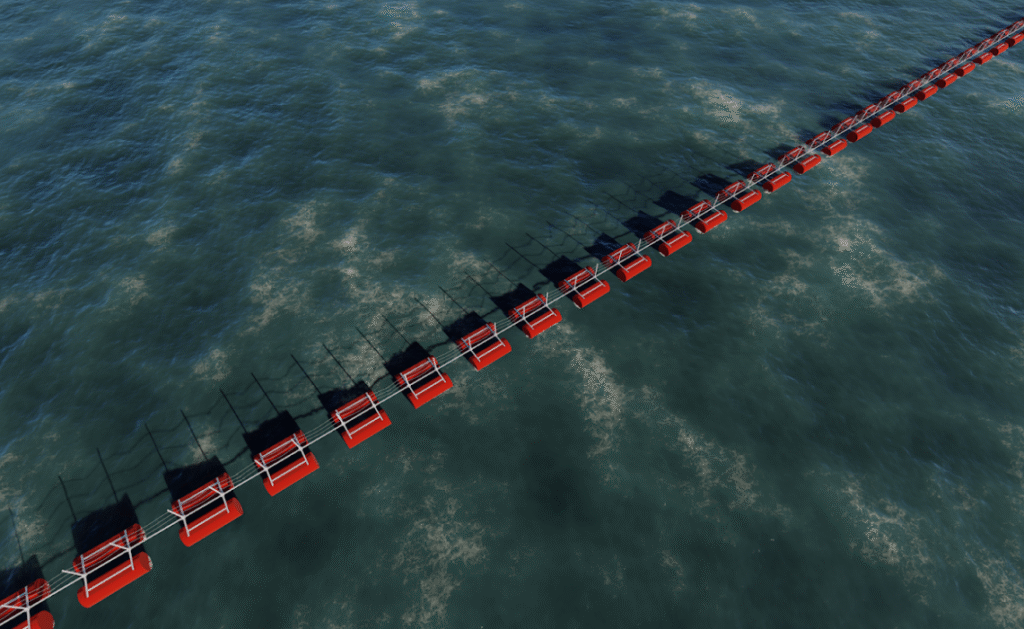
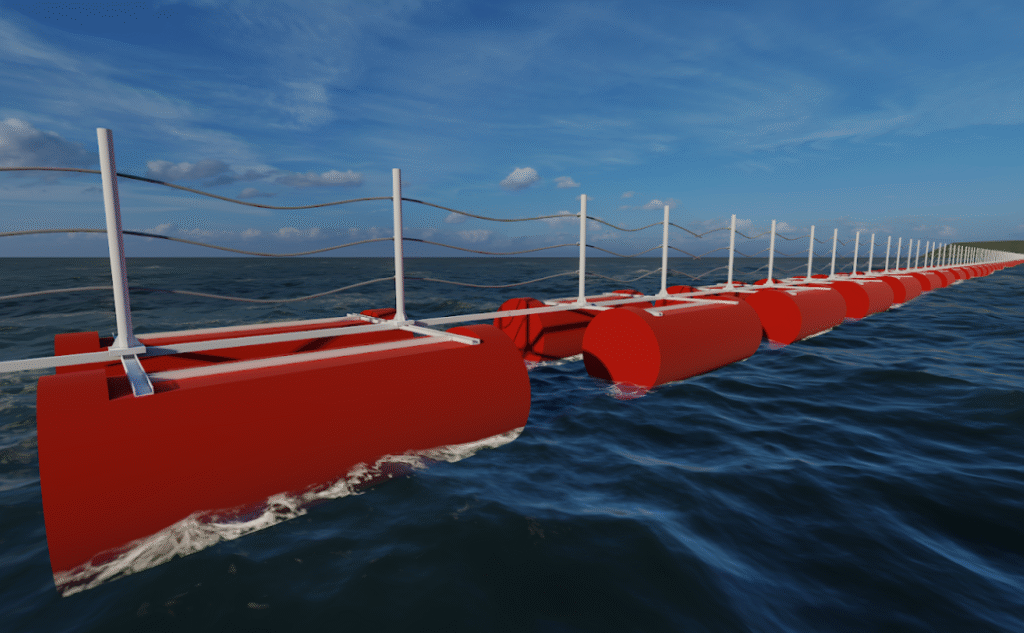
Physical barriers, patrol boats, and rapid-deployment interception craft form the first line of defense against small craft intrusion.
Integrated maritime security systems may also include loudhailers, warning lights, and non-lethal deterrent devices.
Applications
Counter–small craft intrusion measures are deployed by naval forces, coast guards, port authorities, oil and gas operators, and private maritime security companies to safeguard critical maritime zones.
Importance of Preparedness
With the growing accessibility of high-speed watercraft, maintaining readiness through training, technology, and layered defense strategies is essential for maritime security.
Conclusion
Small craft intrusion poses a real and evolving threat to marine operations.
A combination of surveillance, response capability, and deterrent infrastructure is the most effective strategy to protect vulnerable maritime assets.