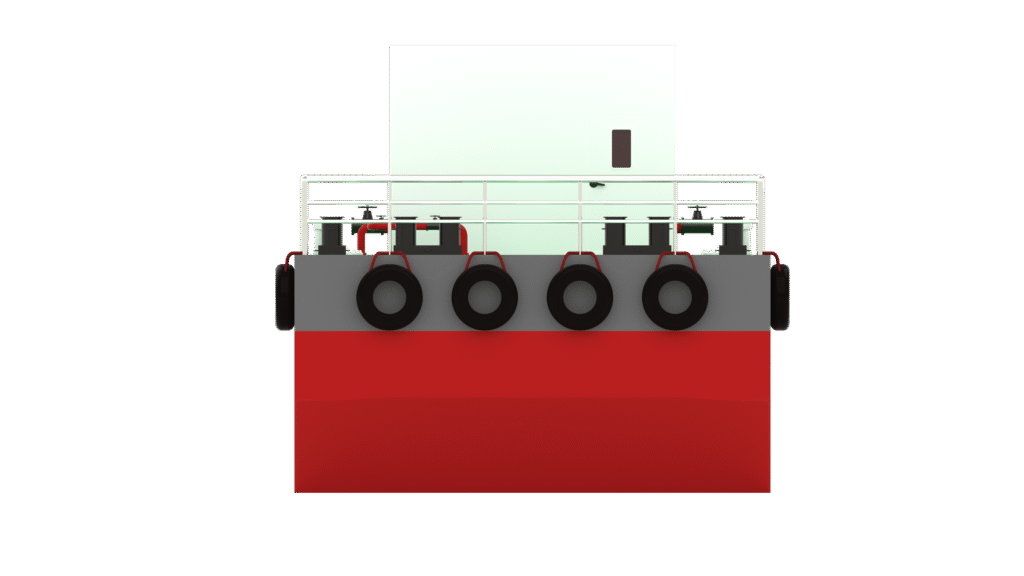
An Oil Barge is a specialized flat-bottomed vessel designed for the storage and transportation of petroleum products, including crude oil, refined fuels, and other liquid hydrocarbons. These barges are essential for efficient bulk transport in coastal waters, rivers, and offshore operations.
Oil Barges are built with robust steel hulls and divided into multiple compartments to prevent cargo contamination and minimize spillage risks. They are often equipped with pumping systems, cargo heating coils, inert gas systems, and spill prevention equipment to ensure safe and efficient operations.
Capacities vary widely, ranging from a few hundred to several thousand metric tons. The tank arrangement is optimized for stability, weight distribution, and compliance with international safety regulations, including MARPOL and SOLAS.
Oil Barges are widely used for transporting petroleum products between refineries, storage facilities, offshore platforms, and coastal terminals. They are also deployed in bunkering operations to supply fuel to ships.
These barges offer a cost-effective and flexible solution for moving bulk oil cargoes where pipeline or tanker access is limited. Their shallow draft allows them to operate in areas with restricted water depth, making them ideal for inland and nearshore routes.
Oil Barges are constructed and operated under strict safety protocols to prevent pollution and ensure safe handling of flammable liquids. They feature double-hull designs, emergency shut-off systems, and firefighting equipment to meet international safety standards.
The Oil Barge plays a crucial role in the petroleum supply chain, offering secure, efficient, and adaptable transport solutions for liquid hydrocarbons. Its specialized design ensures reliability and safety in challenging marine environments.